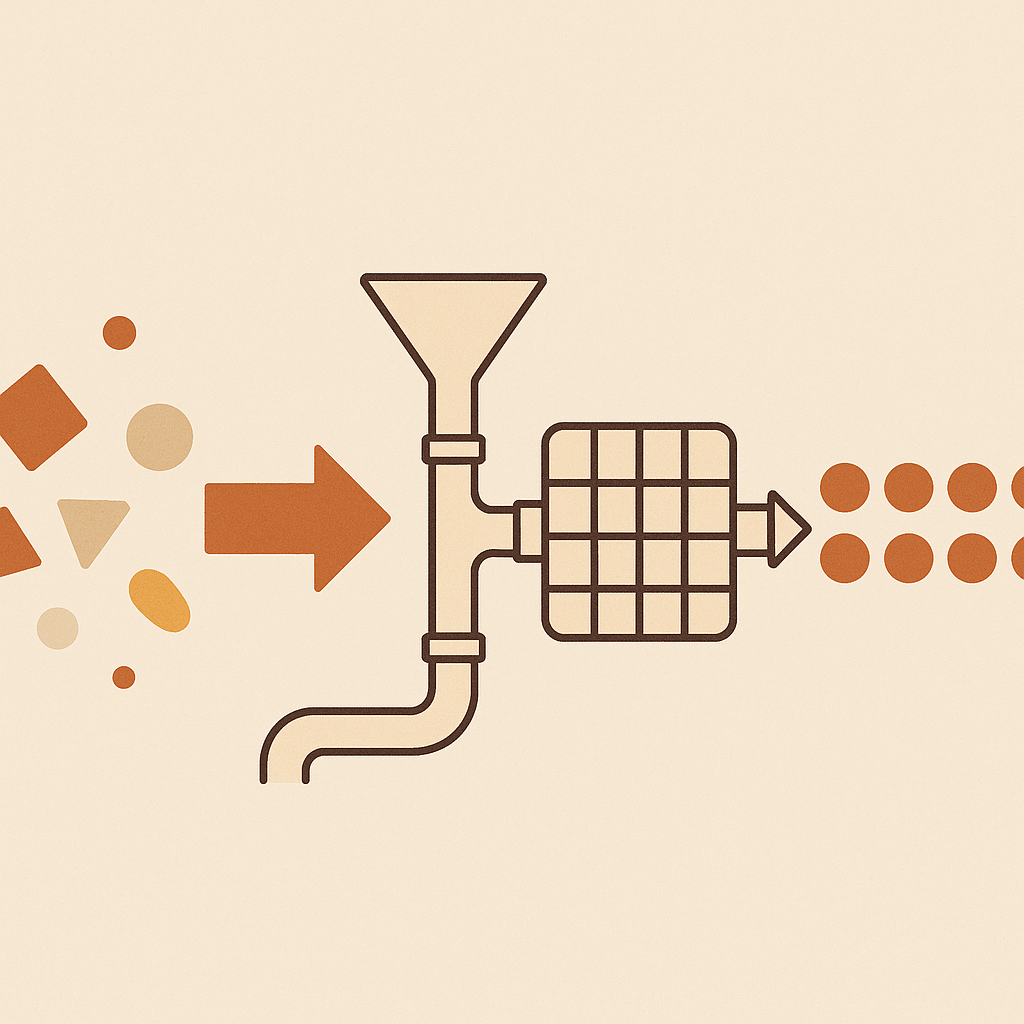
Your model is only as good as what you feed it. Here's what goes wrong — and why it matters.
ML models learn from data. If the data is biased, incomplete, noisy, or poorly labeled, the model inherits every flaw. No amount of tuning fixes bad inputs.
Three core quality issues break ML models more than anything else: imbalanced data where the model ignores minority classes (often the ones you care about most — fraud, disease, defects), class overlap where different categories occupy the same data space, and underrepresented subconcepts where rare patterns the model never learns.
Beyond quality, there's the operational reality. Labeling is slow, expensive, and error-prone — especially in vision and NLP. Privacy regulations (GDPR, HIPAA) limit what you can collect and use. Data distributions drift over time, making last year's model fail on today's inputs.
Real projects combine structured, unstructured, and real-time data from multiple sources. Versioning matters for reproducibility. Scale requires distributed processing and significant compute. Every step adds cost and complexity.
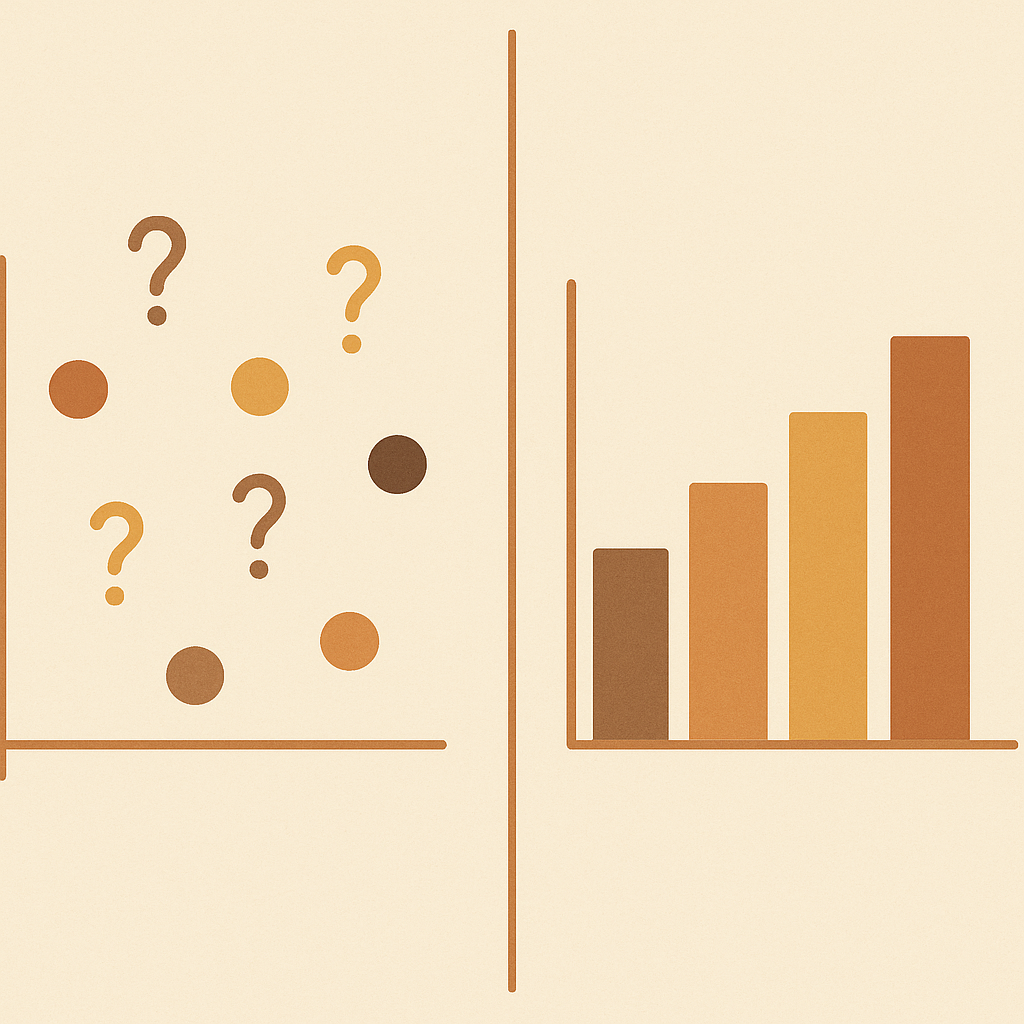
The field is moving from "build a better model" to "build better data." The old approach treated data as fixed and tuned the model. The new approach keeps the model fixed and iterates on the data — cleaning labels, balancing classes, removing noise.
Understanding data quality is now the competitive edge. Better data beats better algorithms, every time.
| Model-Centric | Data-Centric |
|---|---|
| Fix the model when accuracy drops | Fix the data when accuracy drops |
| Add more layers, tune hyperparameters | Clean labels, balance classes, remove noise |
| Treat data as fixed | Iterate on data systematically |
Better data beats better algorithms. Every time.
The models are only as good as what we feed them.